
Opinion

How EWA improves workers’ lives
Earned Wage Access (EWA) is becoming an important financial tool for millions of American workers to manage daily and unexpected expenses. Citing research from FTI Consulting, the Financial Health Network, and economists at the University of Oregon, this article explains that EWA products carry no interest, involve no debt collection, offer free options, and do not harm credit scores. Additionally, the article reviews the recognition of EWA's non-credit nature by nearly a dozen U.S. states and the Consumer Financial Protection Bureau (CFPB), and introduces the progress of bipartisan federal legislation promoted by Representatives Bryan Steil and Ritchie Torres.

Why the subscription model should change
Adobe reached a $150 million settlement with regulators over its subscription cancellation practices, sparking heated discussion in the payments and SaaS industries. Author Priya Lakshminarayanan points out that the real loss far exceeds the fine—friction in the cancellation process is not a retention strategy but a trust tax. Regulatory intervention fills an industry gap, and companies should make subscriber retention an active choice.

UK banking challenges Visa and Mastercard: reasonable motives, uncertain alternative prospects
UK banks, concerned about Visa and Mastercard's excessive market control, are seeking to reduce dependence. However, building alternative payment networks faces ecosystem challenges and user habit resistance, and European initiatives like Wero remain limited. Experts believe a more realistic prospect is the localized evolution of existing card networks under regulatory pressure, rather than their replacement.

Why On-Demand Pay Services Are Crucial
In this article, Instant Financial CEO Tal Clark shares conversations with Fortune 500 CEOs, revealing a disconnect in leadership's understanding of the daily financial pressures faced by hourly workers. He advocates that EWA services provide a much-needed safety net and predicts that as competition intensifies in industries like restaurants and retail, instant pay will become a key tool for employee retention.
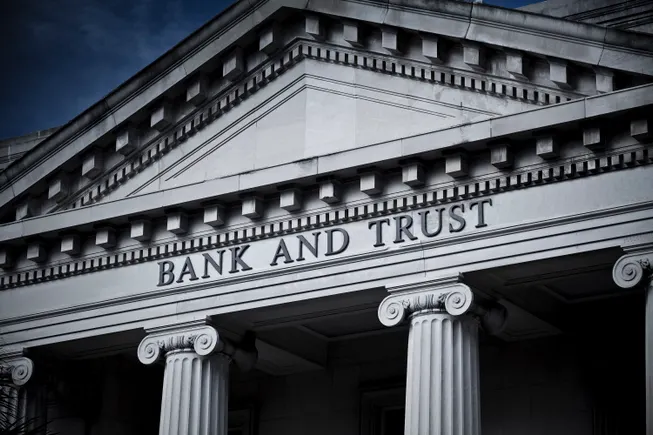
Payment Modernization Is Imperative: Banks Should Embrace 24/7 Payments and Instant Fund Availability
The Federal Reserve recently announced extending the operating days of the Fedwire Funds Service to Sundays and federal holidays, marking a significant step toward 24/7 operations in the payment industry. Mihail Duta, Director of Global Solutions Consulting and Payments at Finastra, believes that banks should seize this opportunity to accelerate payment system modernization to support instant payments, the ISO 20022 standard, and meet the needs of young digital-native customers. Despite the complexity and high cost of the upgrade process, more than half of banks plan to increase investment in new payment hubs, making modernization an inevitable trend.
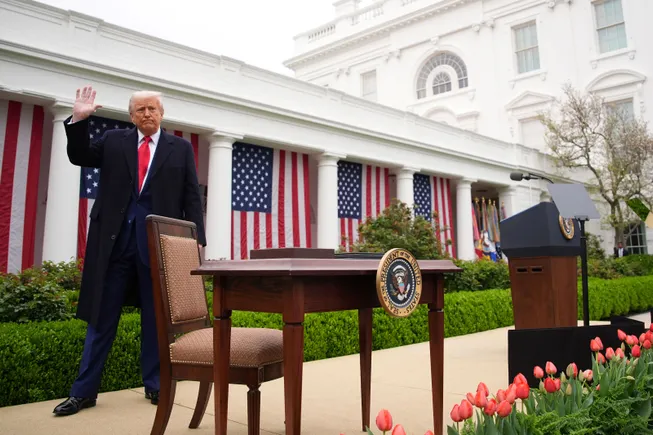
How the United States Can Lead Payment Modernization: New Opportunities for the G20 Presidency
The United States has assumed the G20 presidency and needs to fulfill its commitments to modernize cross-border payments. The article points out that the Federal Reserve's restrictions on access to payment systems make the United States the only G7 country that has not opened direct access to non-bank payment institutions, leading to high costs and hindered innovation. Federal Reserve Governor Waller has proposed a "streamlined master account" solution that could improve the current situation. At the same time, the article calls for greater price transparency, citing Wise research that eliminating hidden currency markups could save U.S. consumers and businesses approximately $19 billion in 2025.

Visa's New Program Rejects Fake Data: Commercial Enhanced Data Program (CEDP) Reshapes Transaction Compliance Landscape
Visa's CEDP program, effective October 17, requires real transaction data, but some processors and gateways still circumvent it with random fake data, with experts warning that merchants face the risk of losing discounts and incurring additional fees.

The Inevitable Trend of Stablecoins in Cross-Border Payments
Stablecoins demonstrate significant potential in cross-border payments by reducing intermediaries, enabling near-real-time settlement, lowering transaction costs, and unlocking liquidity in emerging markets. Despite existing risks, regulatory frameworks are gradually improving, and stablecoins have become an indispensable payment infrastructure.
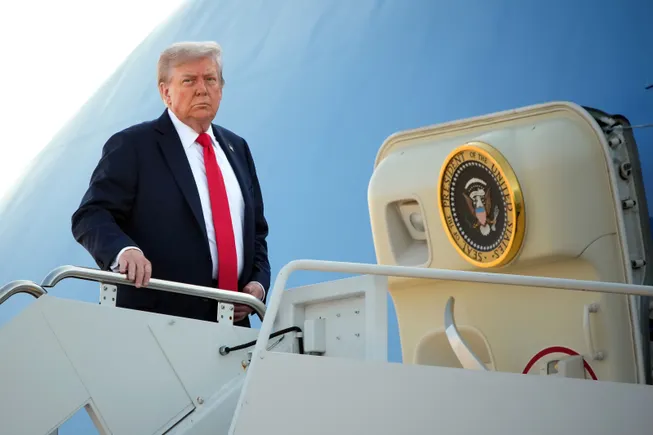
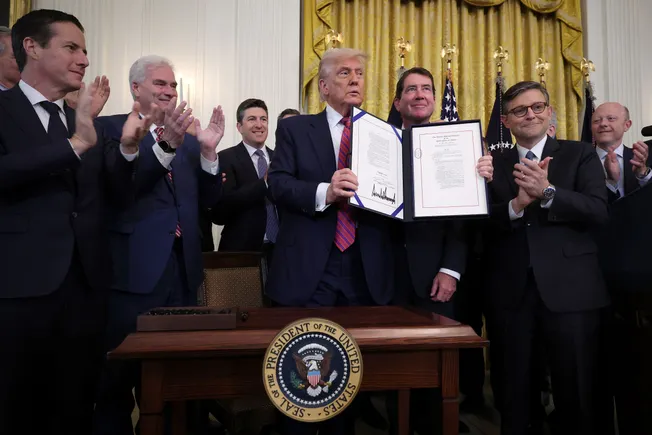
The Impact of Trump's Administration on Payment Innovation: Opportunities and Challenges Coexist
President Trump signed the GENIUS Act and issued an executive order on payment modernization to promote the development of digital payments, but his closure of the Consumer Financial Protection Bureau (CFPB) and opposition to open banking have raised industry concerns. This article weighs the pros and cons of these policies on payment innovation.
Payment stablecoin risks emerge: lack of consumer protection raises concerns
Payment stablecoin usage surges, but the Genius Act does not provide adequate consumer protection, with risks such as irreversible erroneous payments, uncapped redemption fees, and lack of private right of action.