
Restaurants
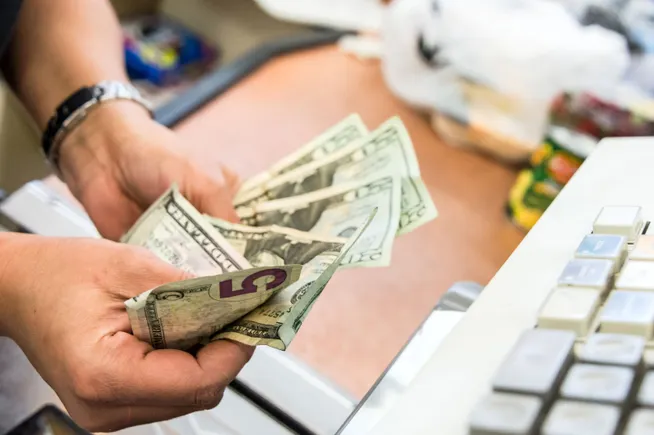
Illinois seeks to support cash use
Illinois has passed a new law requiring businesses to accept cash payments, with violators facing fines. The law aims to protect consumers' right to choose their payment method and adapt to digital trends.

Fiserv flags Clover revenue drop
Fiserv's new CEO Takis Georgakopoulos said at the earnings call that the company is evaluating its businesses to boost Clover merchant services revenue, has exited student loans, ATM, and India operations, and plans to invest $100 million in technology in the second half of the year. Clover's second-quarter revenue grew only 2%, impacted by hardware sales and Argentina, and the company expects full-year growth to fall to mid-single digits, but the long-term target remains 15%-20%.
Block explores how to price AI
During its earnings call, Block revealed it is exploring pricing for AI tools in Cash App and Square but has not yet determined a model. The company has launched tools such as Moneybot and Managerbot and plans to choose the optimal approach through experimentation.
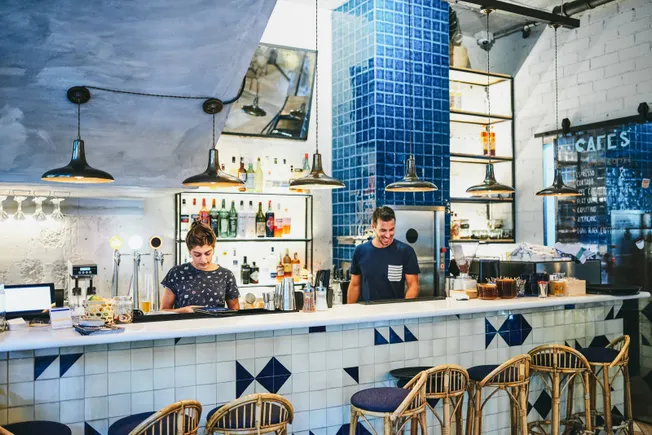
Toast aims to drive AI into dining
Toast is deeply embedding AI into restaurant operations, with its first AI workflow product, Toast IQ Grow, expected to reach $10 million in annual revenue. The company posted second-quarter net income of $154 million, added 9,500 locations, and announced partnerships with BWH Hotels and Kung Fu Tea.
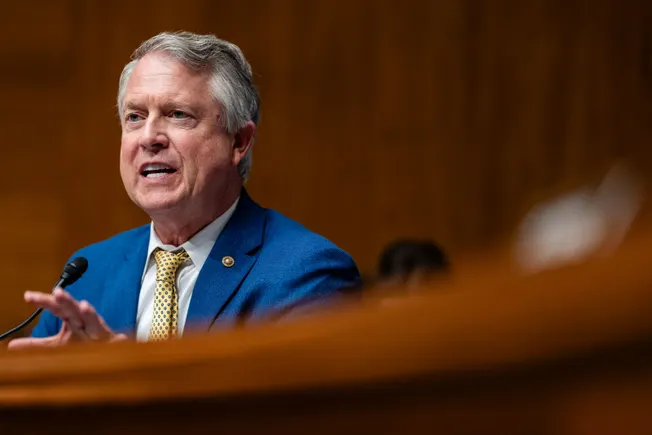
Trump backs card bill, again
U.S. President Trump on Monday again publicly endorsed the Credit Card Competition Act, which seeks to weaken Visa and Mastercard's dominance in credit card transaction fees. He mentioned the bill while endorsing Kansas Senator Roger Marshall's reelection campaign, calling it an effort to stop "runaway swipe fee extortion." The bill would require large banks to ensure that each consumer card transaction offers at least one alternative network to Visa or Mastercard for merchants to choose from.
Why Cash App wants food orders
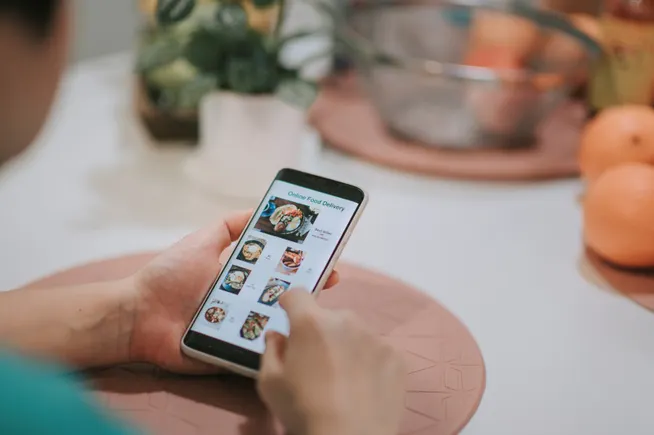
Block launched the Neighborhoods loyalty program in October 2025, allowing Cash App users to order food from local Square merchants and earn Local Cash rewards. The program attracts merchants with a 1% processing fee (far lower than third-party platforms) and significantly increases user transaction frequency. Mizuho analysts believe this is key to Block building a two-sided network, but it is still in its early stages.
Merchants blast credit union rule
Retailer, restaurant and other merchant groups this week urged the National Credit Union Administration (NCUA) to withdraw its new rule that preempts an Illinois law limiting bank card interchange fees. Merchants called the rule "illegal" and "anti-competitive" and submitted formal comments.
4 reasons the Visa-Mastercard pact survived
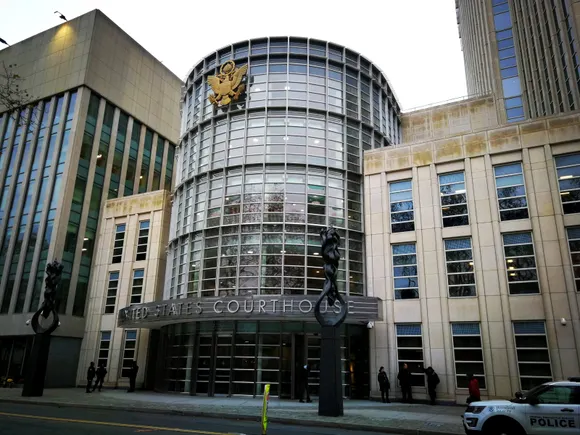
The revised merchant settlement between Visa and Mastercard received preliminary court approval on Tuesday, with the key change being the elimination of the 'honor all cards' rule. Judge Brian Cogan found that the new agreement provides broader relief than the 2024 version. This article outlines the four reasons the settlement has survived: the significance of the rule change, the prolonged litigation, the networks' robust defenses, and the ongoing objection process that will continue.
Visa-Mastercard fund will report claims status
Epiq, the administrator of the $5.5 billion Visa and Mastercard class action settlement, will report claims processing progress to the court quarterly, with the first report expected by July 10. This move aims to address merchants' dissatisfaction with the slow pace of payouts.
Colorado interchange fee law vetoed
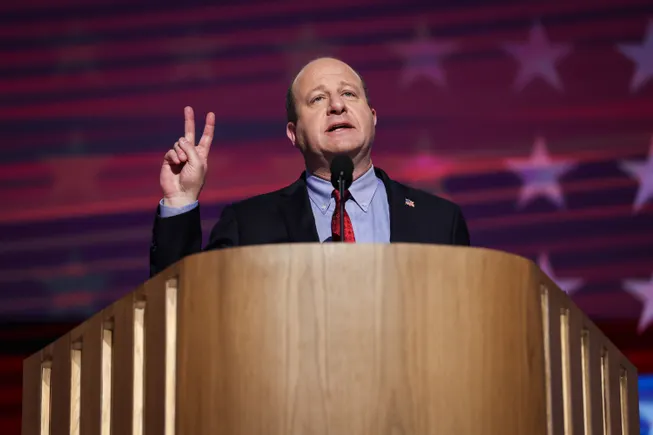
Colorado Governor Jared Polis vetoed SB26-134, a bill that sought to prohibit card networks from charging interchange fees on the tax portion of credit and debit card transactions. In his veto letter, Polis stated that the bill could bring chaos to the state's business environment, tourism, and consumers, and noted that federal intervention and litigation delays made the bill's implementation prospects uncertain. Industry groups had mixed reactions, with banking and payment associations expressing appreciation, while merchant groups expressed disappointment.