
Opinion

Modernizing payments is a must
Payment modernization has become an operational and strategic imperative for financial institutions, but it does not have to involve a disruptive 'rip-and-replace' approach. Through phased, incremental modernization, institutions can gradually introduce cloud-native, microservices architecture, and embedded AI capabilities while maintaining stability, compliance, and customer trust, thereby reducing total cost of ownership, enhancing innovation capacity, and continuously delivering business value.

Considering card network options
The UK's initiative to reduce reliance on Visa and Mastercard highlights widespread concerns in the global payment industry about centralization risks, rising acceptance costs, and insufficient routing flexibility. However, for merchants, the core issue is not which payment channel to choose, but how to gain sufficient visibility, control, and intelligent decision support in a multi-channel environment to optimize payment processes, reduce costs, and enhance profitability.
How state payments oversight skids
More than 20 states have enacted comprehensive consumer privacy laws, creating a patchwork of compliance burdens for payments firms operating nationally. Ruston Miles, founder of Bluefin, contends that compliance does not equal protection, and calls for a federal framework that incentivizes data devaluation through encryption and tokenization.
Opening the Fed’s payment rails
The policy direction for fintech companies to directly access Federal Reserve payment rails is becoming clearer, yet industry discussions on post-access risk and responsibility allocation remain insufficient. The author notes that eligibility is merely the starting point; the real challenge lies in whether operational standards, liability chains, and regulatory pace can keep up with expanded access.
Why fintechs may skirt the US
The original deadline for the first major milestone of U.S. open banking quietly passed this spring. The author argues that the delay is highly detrimental to the payment ecosystem and the financial services sector. Europe's mature open banking legislation promotes instant payments and consistent experiences, while U.S. financial institutions' procrastination and reliance on screen scraping are driving some fintech companies to friendlier markets, ultimately harming U.S. consumers.

Backing the president’s fintech order
Financial innovation is the engine of economic opportunity. The recent presidential executive order on fintech innovation matters because it points to a regulatory framework that makes it easier to build responsible tools. The author, Ballard Spahr attorney Joseph J. Schuster, argues that regulation should support a fair, competitive, and resilient financial system rather than protect legacy models. From 30-year mortgages to modern payment systems, innovative products need room to grow. The executive order focuses on regulatory modernization, aiming to clarify rules, encourage competition, and enable the next generation of financial products to be born in the United States.

Fraud fight can’t wait on government
Three major U.S. federal agencies jointly established an anti-fraud roundtable, but merchants face immediate fraud threats and need to implement defense strategies at the point of sale, including optimizing billing descriptors, strengthening customer communication, monitoring transactions in real time, and proactively managing chargebacks to protect revenue.

Tracking digital payments skids
The U.S. Citizenship and Immigration Services (USCIS) mandated electronic payment of filing fees last fall, and immigration law firms found that with the elimination of paper checks, the associated case tracking and audit functions also disappeared. Finance teams had to manually match numerous similar ACH or credit card debits, reconstructing audit trails that were previously taken for granted. The author, Joon Park, argues that this case reflects broader infrastructure issues behind the federal shift to electronic payments (such as Executive Order 14247): digitalization should not only address the flow of funds but also preserve the information, controls, and accountability behind payments.
Trump should nix high-cost loans
Trump has proposed a 10% cap on credit card interest rates, but his administration may allow high-cost online lenders to circumvent state interest rate limits by acquiring national banks. If companies like NetCredit and OppFi are approved, they could charge 100% or even higher APRs nationwide, including in 45 states that prohibit such rates. The author urges Trump to reject these applications and support congressional legislation setting a 36% national interest rate cap.
Why credit card rate caps hurt consumers, small businesses
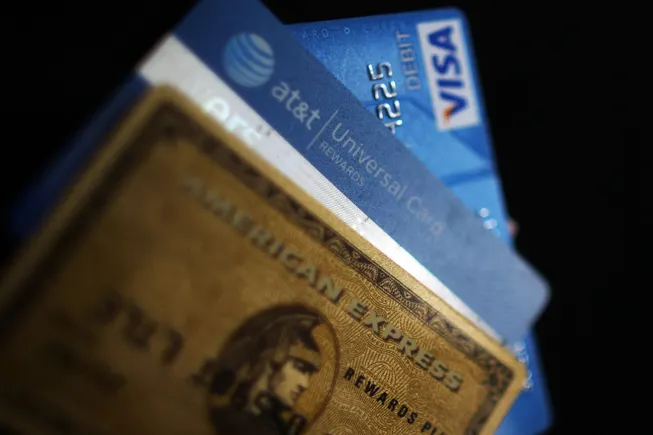
Some bipartisan members of the U.S. Congress support capping credit card interest rates at 10%. The author, Melissa Koide, founder and CEO of FinRegLab, points out that this seemingly beneficial policy could backfire: it may lead to 74% to 85% of active accounts being closed or having their limits sharply reduced, forcing borrowers to turn to more expensive alternative channels, and severely impacting small businesses that rely on credit card financing.