
Surcharges Are Not a Scourge: Revisiting the Strategic Value of Card Surcharging
The controversy over card surcharging in the payments and accounts receivable sector has a long history. Nick Izquierdo, Executive Vice President at Billtrust, writes that surcharges are not a customer-unfriendly "necessary evil," but rather a strategic advantage that can benefit both businesses and customers. Through transparent communication, flexible payment options, and compliant operations, companies can leverage surcharges to optimize cost structures, improve cash flow, and boost customer satisfaction.
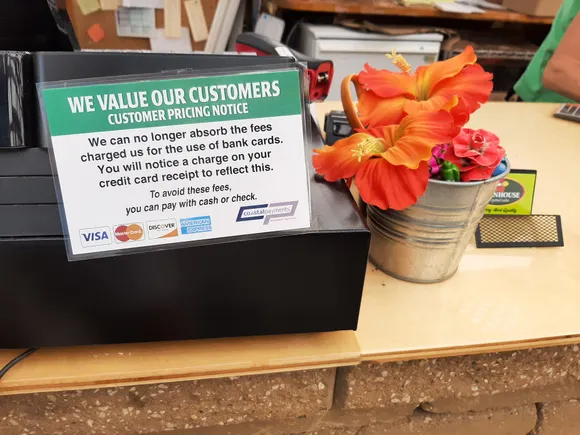
In the field of payments and accounts receivable, one policy has always sparked controversy: the practice of passing card acceptance costs on to customers, commonly known as "surcharging."
Many view it as an unfriendly customer experience, but what if our long-held views have been wrong? Now is the time to rethink surcharging—it should not be seen as a "necessary evil," but rather as a strategic advantage that can benefit both businesses and customers alike. Yes, you read that correctly—surcharging can be a win-win.
Surcharging, the practice of passing credit card transaction fees on to customers, often carries a bad reputation. Critics argue that it alienates customers and suppresses sales. But let's face reality—these critics are clinging to outdated notions. In fact, a well-designed surcharging policy can both enhance the customer experience and strengthen a business's profitability. It's time to challenge this bias and embrace the strategic potential of surcharging.
Today's accounts receivable (AR) teams are far more than mere bill collectors. They are strategic financial managers equipped with advanced software tools. By leveraging surcharging effectively, AR teams can manage acceptance costs more efficiently. This empowerment is crucial because it puts businesses in control, allowing them to tailor payment policies to their unique goals.
Imagine the flexibility that comes with developing a comprehensive payment policy. Businesses can manage acceptance costs and optimize cash flow, for example, by encouraging early payments, offering more dynamic and customized grace period configurations, and limiting high-cost payment methods. This approach not only alleviates financial pressure but also gives AR teams the tools and visibility needed to achieve broader business objectives. For instance, surcharging can help businesses manage cash flow by incentivizing customers to pay early for discounts or to choose lower-cost payment methods.
Contrary to popular belief, surcharging can actually enhance customer satisfaction. How? The key lies in transparency and choice. When customers understand the fee structure and have options—such as early payment discounts or multiple payment methods—they feel more in control and more trusting of the process. A transparent surcharging policy is not punitive—it is empowering.
Clear communication is essential. Informing customers about the surcharging policy in advance, explaining the reasons behind it, and offering alternatives can improve the customer experience. Customers appreciate honesty and transparency, especially when they understand that surcharging helps businesses maintain fair pricing and service quality.
Furthermore, offering dynamic and flexible payment options also demonstrates a business's commitment to customer convenience. This approach builds trust and loyalty—customers are more likely to continue working with businesses that value their time and provide flexible payment solutions.
To be clear: surcharging is not about nickel-and-diming customers. It is about wise, sustainable business practices. By shifting the burden of transaction fees to the user, businesses can maintain profitability without sacrificing service quality or significantly raising prices. This is not just a cost-saving measure; it is a strategic move that enables businesses to reinvest saved funds into growth and innovation.
When surcharging is combined with dynamic and flexible payment options, it can create an environment conducive to cash flow. Businesses can receive payments faster and more predictably, which is critical for growth. Improved cash flow enables businesses to meet operating expenses, seize new opportunities, and navigate economic uncertainty more effectively. This financial stability is not optional—it is essential for long-term success.
Surcharging also prompts businesses to stay abreast of regulatory changes, fostering a culture of compliance. This adaptability gives teams a competitive edge in a rapidly changing market. Staying informed about regulatory changes and ensuring compliance helps businesses avoid legal pitfalls and maintain a good reputation. In essence, surcharging forces businesses to operate ethically and transparently, thereby building customer trust.
Going a step further, surcharging enables AR teams to move beyond basic invoice management and begin strategically driving business objectives. This control translates into smarter decision-making and a healthier financial position. When AR teams implement payment policies aligned with broader business goals—such as reducing reliance on high-cost payment methods and optimizing revenue streams—the entire organization benefits. This is not just about managing costs—it is about transforming AR into a powerful tool that enhances overall business performance.
The harsh truth is: many businesses remain trapped in outdated payment policies, avoiding surcharging for fear of being seen as unfriendly. But that is a losing strategy. The market is evolving, and businesses must evolve with it.
When surcharging is implemented in a transparent and fair manner, it can serve as a catalyst for positive change. It is time to cast aside misconceptions and begin fully harnessing the potential of this powerful tool.
Surcharging challenges the status quo, forcing businesses to rethink their payment policies. By embracing surcharging as a strategic tool, businesses can optimize costs, improve cash flow, and strengthen customer relationships. This initiative requires careful planning and execution, but the rewards are definitely worth the effort.