
Deep Dive
来自我们记者的行业洞察

E-commerce growth drives booming payment anti-fraud market segment
The payment anti-fraud market segment is thriving alongside e-commerce growth. Socure CEO Johnny Ayers points out that the demand for digital identity verification has expanded to sectors such as government, healthcare, and cryptocurrency. Market research indicates that the digital payments market is expected to double to $11.3 trillion within five years, with the anti-fraud product market growing 15% annually. Giants like Visa and Mastercard are increasing investments, venture capital is flowing in, and startups such as Forter and Signifyd have secured substantial funding.

Fintech Companies Enter Cross-border Corporate Payments, Banks and Traditional Institutions Accelerate Innovation in Response
Cross-border corporate payments have long relied on the correspondent banking system, which suffers from pain points such as high costs, slow speeds, and insufficient transparency. Fintech companies, by building their own networks or technically integrating with traditional banking channels, are gradually capturing market share among small and medium-sized enterprises. Banks, in turn, are consolidating large corporate clients through innovations such as SWIFT gpi and blockchain. Analysts believe that the industry will move toward a coopetition model featuring deep collaboration between banks and non-bank institutions in the future.
US weighs central bank digital currency options as global payment system race heats up
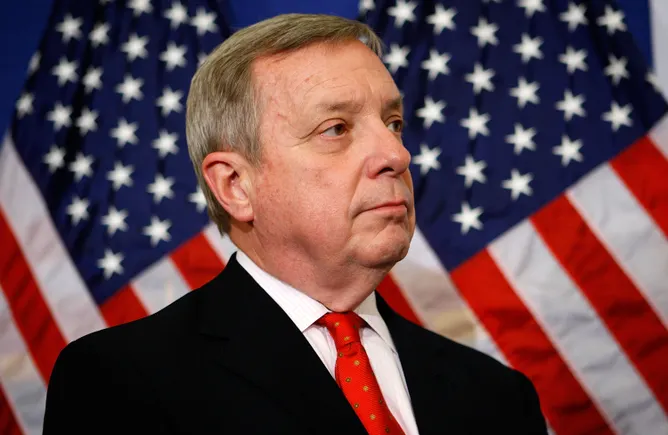
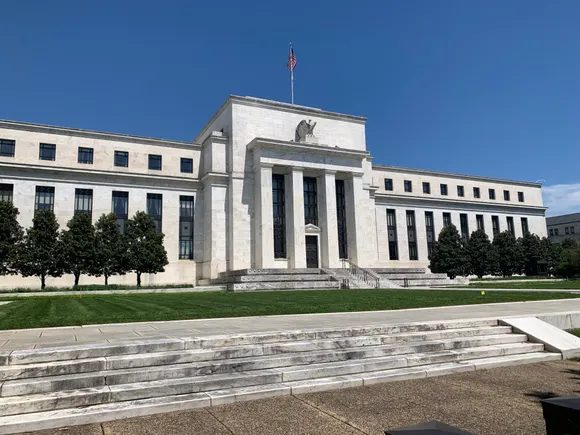
As countries worldwide race to explore central bank digital currencies (CBDCs), US policy circles and the banking industry are debating technical feasibility, policy implications, and financial inclusion. Greg Baer, CEO of the Bank Policy Institute, warned that CBDCs will profoundly change the financial system; a technical prototype developed by the Boston Fed in collaboration with MIT may be unveiled in July; Fed Chair Jerome Powell emphasized a prudent approach without the need to rush to be first. Meanwhile, China's digital yuan pilot is accelerating, and Europe, the UK, and Sweden are also making moves, posing potential challenges to the dominance of the US dollar.


Can banks win in the booming buy now, pay later sector?
The pandemic has catalyzed an e-commerce boom, driving up valuations of buy now, pay later (BNPL) fintech companies like Klarna and Afterpay. Although banks have advantages in funding costs and customer relationships, they need to close technology gaps. White-label service providers such as Amount help banks deploy BNPL solutions quickly, while Citibank and Chase have already launched similar installment products. Experts suggest that banks should evaluate carefully, focusing on young consumer preferences and changes in merchant fee structures.
Is unmanned checkout technology ready for large-scale application?
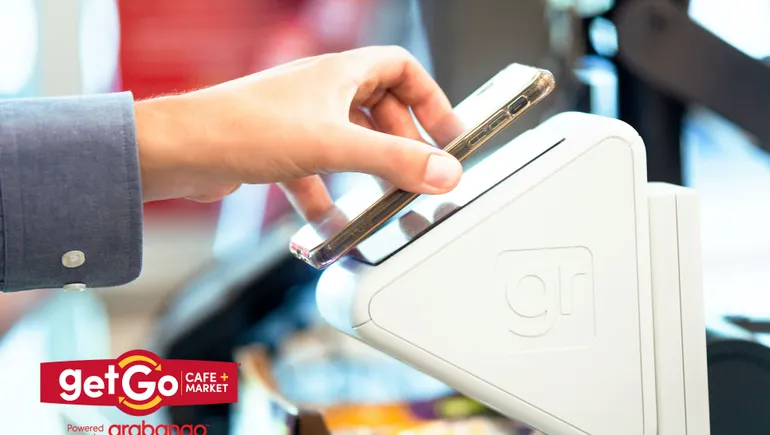
New York's Westside Market abandoned self-checkout and switched to mobile scan-and-pay, with plans to roll it out across all stores. The pandemic has accelerated the adoption of unmanned checkout technology, but cost and returns remain challenges. Companies like Standard and Grabango have introduced computer vision systems, which are being piloted in convenience stores and university campuses, with potential future expansion into large supermarkets.

How the Evolution of Millennials' Relationship with Credit Cards Will Reshape Retail
Millennials avoid credit cards due to economic recession and debt fear, but their spending power amounts to 200 billion dollars. Retailers are attracting this group through innovative payment methods like Venmo and Afterpay, while holiday season data shows some young consumers still apply for store cards. The transformation of the payment industry is not only a technical issue but also concerns marketing strategies and historical inclusiveness.