
Opinion

Next-Generation AI Means Next-Generation Fraud: Are We Ready?
Dan Muller, CEO of payment technology company Aeropay, believes that AI will not automatically solve fraud problems but may instead be maliciously exploited, giving rise to new attack methods such as deepfake identities and voice cloning. He calls on the industry to shift focus from pursuing advanced models to building trust-based judgment and defensive infrastructure to address next-generation fraud risks.
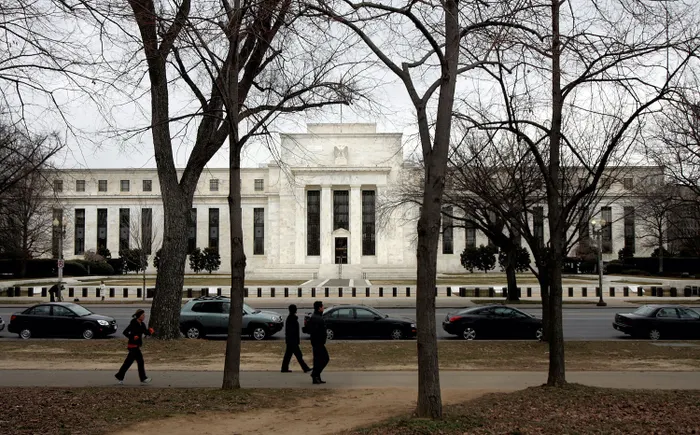
Payment Innovation and Competition: The Path to a Limited-Purpose Payment Bank Charter
The U.S. payment industry is constrained by outdated rules, preventing digital payment companies from directly using the Federal Reserve payment system and forcing them to rely on bank intermediaries, leading to transaction delays and increased costs. This article recommends that Congress take bipartisan measures to establish a limited-purpose payment bank charter, allowing these companies direct access to systems such as FedNow while maintaining appropriate oversight, to enhance efficiency, promote competition, and benefit consumers and businesses.

BNPL providers should proactively report customer credit data
Phil Goldfeder, CEO of the American Fintech Council, believes that BNPL providers should comprehensively and standardly report user repayment data to credit bureaus to fill the credit reporting gap, enabling consumers who use BNPL responsibly to receive the credit score improvements they deserve.

Concerns Over Ending U.S. Paper Checks
The U.S. Treasury Department announced that it will stop issuing paper checks starting September 30 and fully transition to electronic payments. Although this move aims to improve efficiency and security, the notice period of only six weeks may leave the most vulnerable groups who rely on such payments in a difficult position. This article explores the risks behind the policy and feasible transition options.


10% Interest Rate Cap Will Squeeze Credit Availability, Industry Warns of Rising Risks
David Becker, CEO of First Internet Bank, writes that the 10% Credit Card Interest Rate Cap Act proposed by Senators Sanders and Hawley, while intended to alleviate the pressure of $1.17 trillion in credit card debt, may actually backfire: banks will tighten credit and raise fees, high-risk consumers will be forced to turn to high-risk alternatives like payday loans, and fintech companies will also be impacted. He urges lawmakers to focus on transparency and responsible lending rather than simple price controls.
Instant wage access services should be provided for free
The instant wage access (EWA) industry has evolved over a decade from a disruptive innovation to a field facing cost and compliance controversies. Author Jason Lee points out that many workers incur high fees due to frequent use of EWA, and regulatory lawsuits are frequent. He argues that the industry should provide free, compliant services through technological innovation rather than lobbying for legislation, and cites warnings from regulators in California and New York, emphasizing that free EWA is the way forward.

Instant Pay: The Value Proposition for Workers to Access Earned Wages on Demand
Jonathan Davis, an associate professor at the University of Oregon in the United States, argues that amid tariffs, stock market volatility, and AI-driven layoffs heightening household financial uncertainty, earned wage access (EWA) tools can help workers living paycheck to paycheck access their earned wages before payday, avoiding high-cost borrowing, and calls on policymakers to improve safeguard mechanisms rather than restrict their use.

Big bank moves threaten financial innovation
Large U.S. banks are restricting competition from fintech and digital asset companies by charging high data access fees, threatening consumer choice. The author calls on the government to strengthen open banking rules (Section 1033) to ensure consumer data autonomy and avoid hindering innovation.

Stablecoin Cross-Border Settlement Faces 'Last Mile' Challenges
The U.S. GENIUS Act provides regulatory legitimacy for stablecoins, but ACI Worldwide executive Phil Bruno writes that stablecoins still face 'last mile' challenges in cross-border settlement: local currency conversion relies on domestic banking systems, and there is a lack of interoperability between stablecoins and blockchains, making it difficult to replace existing instant payment networks in the short term.