
The payment industry should proactively embrace the wave of digital currency
Ryan Miller, Chief Revenue Officer of stablecoin payment platform Rail, believes that digital currency and tokenized assets are accelerating in development and gradually gaining regulatory clarity. The payment industry should abandon speculative lessons and responsibly integrate emerging currencies, preparing for future payments through redundant, secure, and scalable underlying architecture.
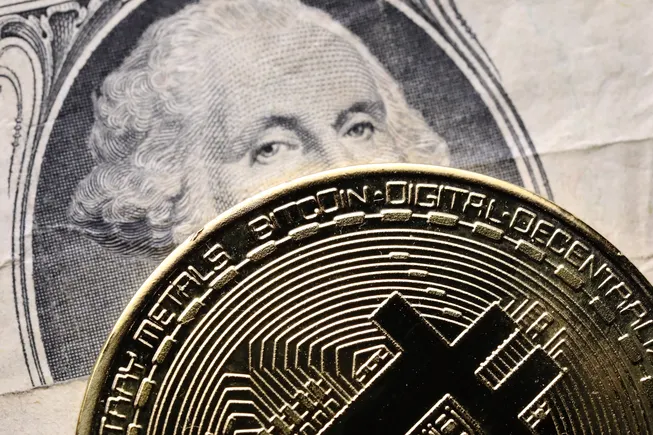
The payments and fintech sector is evolving at an unprecedented pace. Today, businesses stand at the threshold of a new era of money and payments, facing both opportunities and responsibilities—requiring thorough preparation for the future.
Emerging currencies, tokenized assets, and digital currencies are not distant concepts; they are accelerating in adoption and gradually gaining clearer regulatory guidance, bringing both opportunities and complex challenges.
Let us explore how to responsibly prepare for a future that includes digital currencies, new tokenized assets, and everything in between. The payments industry is no stranger to grand promises and visions, but responsible innovation means not only considering what is possible but also confronting the risks, unknowns, and operational complexities that change brings.

Payments do not happen in a vacuum. Businesses rely on a partner network of banks, service providers, local payment rails, and international corridors. With each new currency or payment option, complexity rises and potential risks increase. To thrive in this evolving landscape, businesses need payment solutions that are both robust and forward-looking, with redundancy, security, and scalability built in from the ground up.
Our industry has learned profound lessons from the rapid rise and fall of speculative assets. Many projects promised revolutionary change but ultimately delivered only volatility. However, these experiences have also sharpened our focus: we must have networks that can switch flexibly, remain compliant, and provide stability in any market environment.
In payment infrastructure, emerging currencies, digital assets, and even next-generation fiat options can be prudently integrated to help businesses enter new markets, streamline transaction processes, and increase payment speed.
Future-ready payments are not just about adding the latest currency or payment type; they are about safeguarding operations through built-in resilience. Relying on a single partner, vendor, or currency is akin to planting seeds of risk. Recent experience shows that financial and payment systems can be disrupted by geopolitical turmoil, regulatory changes, and market volatility. This is where redundancy design becomes critical.
The rise of digital currencies and new payment technologies is both a technological and cultural shift. It calls for responsible optimism, a spirit of exploration, and a steadfast commitment to progress. The most promising developments in payments lie ahead—where reliable systems meet innovative ideas, and risk management aligns with operational efficiency.
So let us prepare together for the future of payments. The payment world is changing, and every business should benefit from this path forward.