
How Nonprofits Would Benefit If the CCCA Passes
After Hurricanes Helene and Milton, Americans gave generously, but credit card swipe fees are eating into charitable donations. Each year, about 60% of households donate to nonprofits, with total individual giving reaching nearly $320 billion in 2023. Yet, swipe fees divert some of these funds into the pockets of Visa, Mastercard, and big banks. The bipartisan Credit Card Competition Act seeks to break the duopoly's grip, reduce transaction costs for nonprofits, and ensure donations truly go toward charitable causes.
Hassan Tyler is an analyst at Capital Policy Analytics, a Washington consulting firm that writes policy analyses on behalf of corporations and industry associations. Tyler previously served as Senate staff.
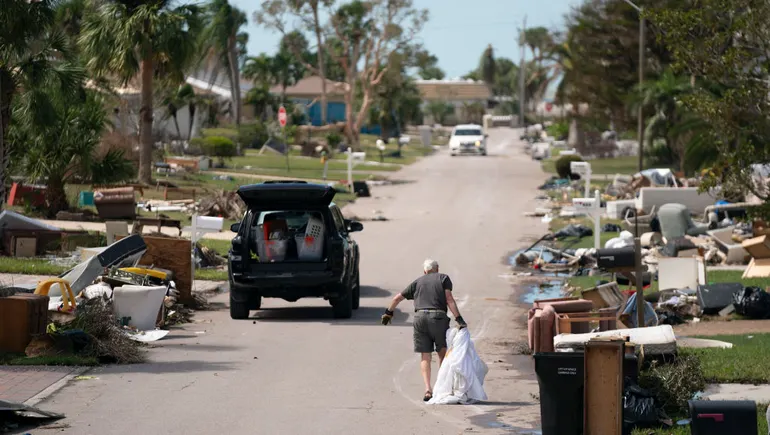
The disaster relief efforts following Hurricanes Helene and Milton show that Americans always quickly lend a hand in times of crisis. After the storms, people across the country donated generously, contributing medical supplies and non-perishable goods to support recovery and rebuilding.
Charitable giving is an important way for Americans to connect with their communities and give back in positive, meaningful ways.
In fact, about60% of American householdsdonate to nonprofits and charities each year, with total individual giving reaching nearly $320 billion in 2023.
Many Americans may be disappointed to find that a portion of their donations does not go to the causes they choose but instead ends up in the pockets of Visa, Mastercard, and big banks. When donating by credit card, part of the amount is used to pay transaction fees (such as swipe fees)—meaning that more than half of donors who choose to give by card actually donate less than they intended.
Congress urgently needs to act to address this issue. The bipartisan Credit Card Competition Act would help break the monopoly of Visa and Mastercard in credit card processing and reduce the swipe fees that nonprofits and charities must pay on every credit card donation.
Accepting electronic and online payments by credit card is an important channel for charitable organizations to receive donations, as 63% of donorsprefer to donate online using credit or debit cards. However, just as merchants must pay swipe fees when customers use credit cards for purchases, nonprofits and charities must also pay swipe fees every time a donor uses a credit card to contribute.
A few dollars in swipe fees per transaction may seem insignificant, but with large donations or during critical times—such as after Hurricanes Milton and Helene—when the number of donations rapidly increases, these losses quickly add up. Every dollar deducted from each donation in swipe fees means one less act of kindness in the community.
Meanwhile, Visa, Mastercard, and big banks such as JPMorgan Chase and Citigroup have all reported significant profit growth, with credit card processing fees being one of the main drivers of these profits. In 2023, total credit and debit card processing fees rose to $172 billion.
At the same time, 92% of charitable organizationshave annual budgets under $1 million, and they must carefully allocate donations while maintaining their own operations. Nonprofits and charities need every penny to make an effective difference in times of crisis, yet big banks and credit card companies continue to take a cut from Americans' donations intended to change the world.
Given that nonprofits and charities continue to do important work globally under tight budgets, helping those most in need, it is time for Congress to act on the Credit Card Competition Act and begin limiting credit card companies' swipe fees.
We must protect every dollar of Americans' generous donations, ensuring these funds are used to make the world a better place, not to increase bank profits.