
Opinion
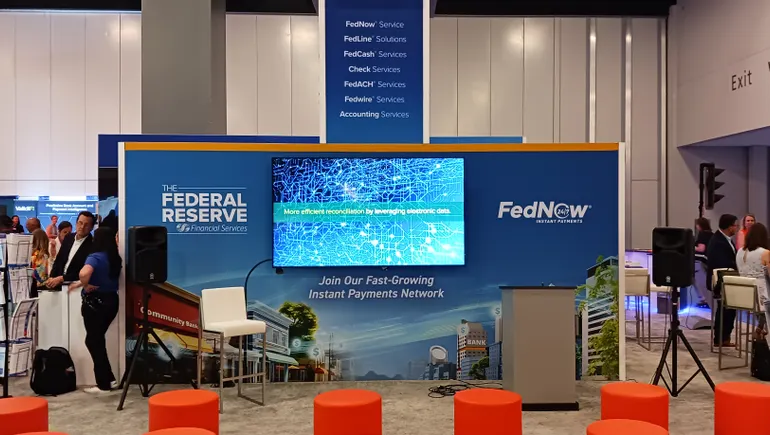
Why FedNow's "Send" Function Is Crucial: Financial Institutions Urgently Need Full Access to Instant Payments
Over a year after FedNow's launch, more than a thousand financial institutions have joined, but most have only enabled the receiving function. The author points out that only receiving without sending will put institutions at a competitive disadvantage and reputational risk, and recommends full integration as soon as possible.
Banking institutions race to comply with the new ISO 20022 standard
As cross-border payment digitalization accelerates, the new ISO 20022 messaging standard will replace traditional formats in November 2025. Despite a preparation period spanning several years, many U.S. banks are still cramming, facing skill gaps and compliance challenges. Leaders have already leveraged the new standard to optimize pre-validation of international payments, while laggards may lose innovation and business opportunities.

How Nonprofits Would Benefit If the CCCA Passes
After Hurricanes Helene and Milton, Americans gave generously, but credit card swipe fees are eating into charitable donations. Each year, about 60% of households donate to nonprofits, with total individual giving reaching nearly $320 billion in 2023. Yet, swipe fees divert some of these funds into the pockets of Visa, Mastercard, and big banks. The bipartisan Credit Card Competition Act seeks to break the duopoly's grip, reduce transaction costs for nonprofits, and ensure donations truly go toward charitable causes.
The payment industry should proactively embrace the wave of digital currency
Ryan Miller, Chief Revenue Officer of stablecoin payment platform Rail, believes that digital currency and tokenized assets are accelerating in development and gradually gaining regulatory clarity. The payment industry should abandon speculative lessons and responsibly integrate emerging currencies, preparing for future payments through redundant, secure, and scalable underlying architecture.
DOJ's Visa Lawsuit Lacks Merit in a Dynamic Payments Market
The U.S. Department of Justice sued Visa in September, alleging monopolization of debit markets. This commentary contends the case overlooks dynamic competition from fintechs, regulatory constraints like the Durbin Amendment, and consumer benefits, urging antitrust enforcement to focus on outcomes rather than market share.

FTC Regulatory Trends on Chargeback Service Providers: Industry Insights and Compliance Implications
The FTC has long maintained a high level of scrutiny over the payment processing industry, and its regulatory position on chargeback service providers is shifting from "general skepticism" to "targeted enforcement." Drawing on the Chargebacks911 case, this article examines the three core elements and two types of high-risk behaviors that the FTC focuses on, and offers compliance recommendations for acquirers.
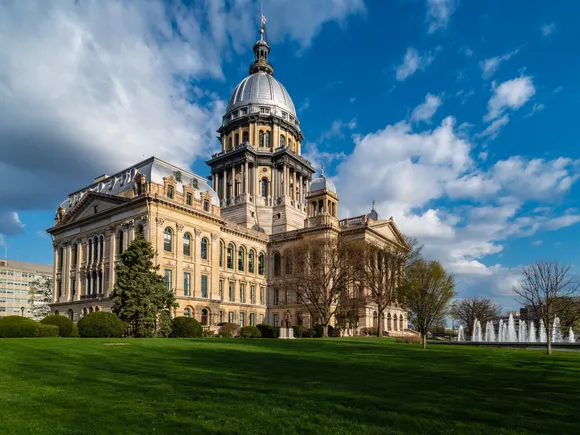
Illinois should abandon interchange law
The Illinois Interchange Fee Prohibition Act, passed in a closed-door deal, exempts sales taxes and tips from card transactions. It benefits only mega-stores, burdens small businesses, and weakens fraud prevention. The law should be struck down.

Why the Healthcare Industry Remains Stuck with the 'Chronic Ailment' of Paper Checks
Paper checks are still widely used for patient refunds in the healthcare industry, leading to high costs, significant fraud risks, and low patient satisfaction. Experts believe that digital payments are an inevitable choice for the financial health and competitiveness of healthcare organizations.

Credit card points rewards: who actually pays for them?
Credit card rewards are often seen as a consumer benefit, but behind them lies the question of who bears the cost. Using a scenario of three restaurants as an example, different payment methods lead to differences in merchant revenue, and reward programs cause merchants to bear higher processing fees, which are ultimately passed on to all customers through price increases, exacerbating economic inequality.

CFPB New Rule May Reverse Progress in Earned Wage Access Services
The U.S. Consumer Financial Protection Bureau (CFPB) plans to reclassify earned wage access (EWA) apps as loans, a move that could backfire and push users back to high-cost payday loans. This article analyzes the fundamental differences between EWA and payday loans, compares state-level regulatory models, and urges the CFPB to avoid applying outdated regulations.