
Deep Dive
来自我们记者的行业洞察
What lessons can FedNow draw from real-time payment experiences in Brazil and India
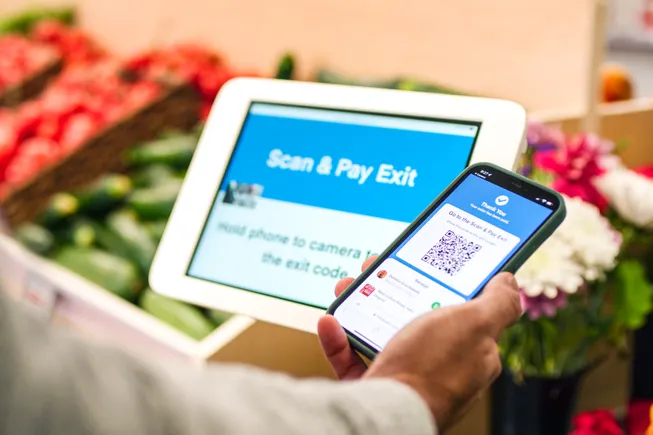
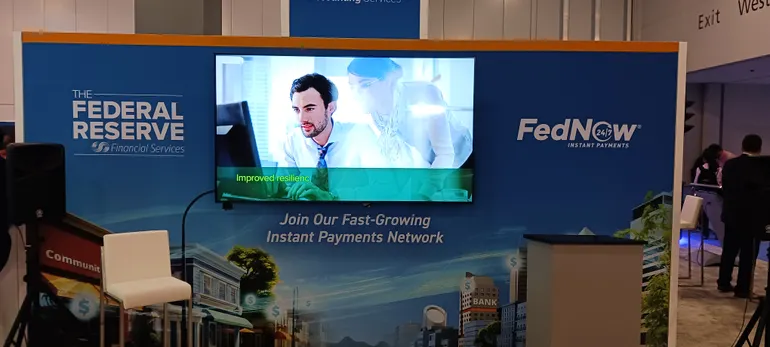
Since its launch in July 2023, the Federal Reserve's FedNow instant payment system has seen slow adoption, with only about 700 financial institutions currently signed up. Compared with the rapid adoption of Brazil's Pix and India's UPI, experts point out that mandatory adoption, merchant payment scenarios, digital identity ecosystems, and auxiliary features such as QR codes are success factors, while the U.S. credit card culture, fragmented banking system, and lack of mandatory requirements make it difficult for FedNow to replicate other countries' experiences.

Store technology upgrades should not come at the cost of cutting staff
In recent years, retail stores have commonly faced understaffing due to operational adjustments, hiring difficulties, and cost cuts. However, experts point out that simply relying on technology to replace human labor often backfires, as customer expectations for service rise, and technical failures still require employees to resolve. Data shows that retail employment continues to decline, but store operational complexity has increased, making labor shortages prominent. This article explores the balance between technology and manpower, the reasons for employee turnover, and how retailers can retain talent through reasonable compensation and training.
Fiserv sets ambitious growth targets for Clover, can it deliver?
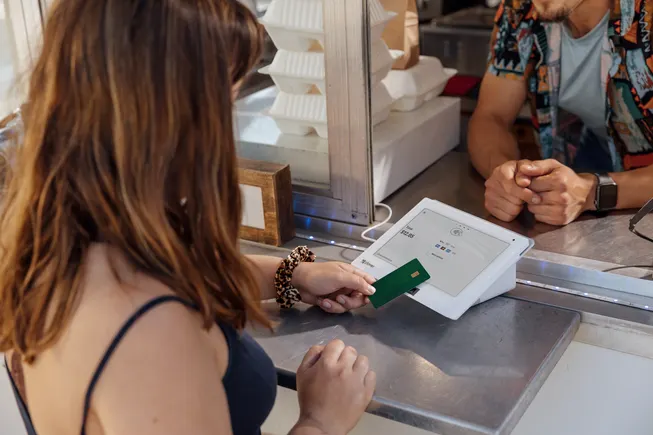
Fiserv's Clover business saw a 30% year-over-year revenue increase in the fourth quarter of 2023, with full-year revenue reaching $2.1 billion. The company plans to boost Clover's revenue to over $4 billion by 2026 and expand its international market presence. However, analysts have differing views on the feasibility of this goal, and competitor Square is also intensifying its efforts.
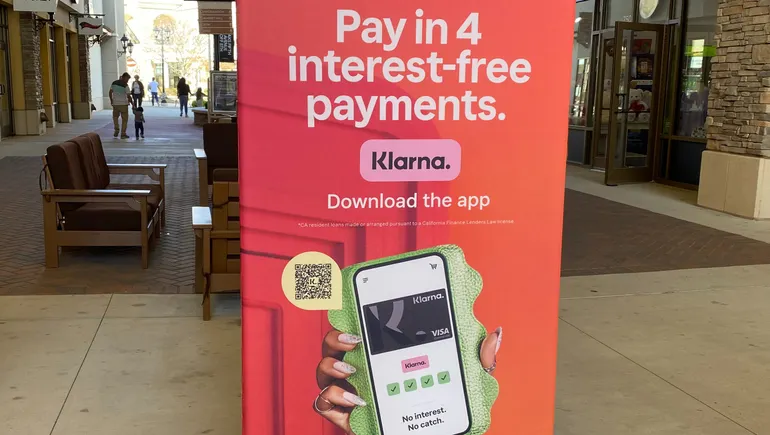
Can Buy Now, Pay Later Withstand Market Tests?
During the COVID-19 pandemic, buy now, pay later (BNPL) providers expanded rapidly amid a wave of abundant capital and strong consumer spending. Now that the tide has receded, rising interest rates and inflationary pressures test the sustainability of this business model. Based on data from multiple institutions and expert opinions, this article analyzes the profitability challenges, regulatory risks, and future paths for major players such as Klarna, Afterpay, and Affirm.

Payment fraud rises, banking industry seeks joint response
Payment fraud is becoming increasingly serious, and the U.S. banking industry is brewing joint countermeasures. At the Nacha conference, Con Edison treasurer Frank D'Amadeo bluntly stated that banks need to take on more responsibility, sparking discussion. Federal Trade Commission data shows that consumer fraud losses increased 30% year-over-year to $8.8 billion in 2022, with bank transfer losses doubling to $1.6 billion. Nacha has proposed a new risk management framework for comment, but obstacles remain in data sharing among banks.
EWS launches Paze digital wallet to help banks compete in the e-commerce payment market
EWS plans to launch the Paze digital wallet, supported by seven major banks, in June, with a full rollout in the fall. The wallet will be pre-installed on 150 million Visa and Mastercard accounts, but faces challenges in user adoption, merchant partnerships, and security.

Can Cryptocurrency Disrupt the Payment Landscape?
In 2022, the cryptocurrency industry laid off over 26,000 people, and the wave of layoffs continued into early 2023, but Binance expanded its hiring against the trend. Bitcoin's price rebounded above $23,000 in January, and Goldman Sachs listed it as the best-performing asset of 2023. Bank institutions have divergent attitudes: Bank of America is preparing for a mild recession, JPMorgan Chase's CEO remains skeptical, while BNY Mellon persists in developing digital assets. On the regulatory front, the Federal Reserve and other agencies issued a joint warning, the New York State Department of Financial Services requires banks to obtain prior approval for crypto activities, and SEC and CFTC commissioners call for rule-making. The FTX bankruptcy hearing continues until April, and Bankman-Fried is set to stand trial in October.

Six Major Trends in the Payment Industry for 2023
The payment industry will move forward amid challenges in 2023: venture capital tightens, startups struggle, and traditional giants may acquire smaller companies; embedded finance and real-time payments (FedNow) are expected to break through; BNPL matures amid regulation and weak consumption; M&A deals are expected to increase, and cybersecurity becomes a top priority.